
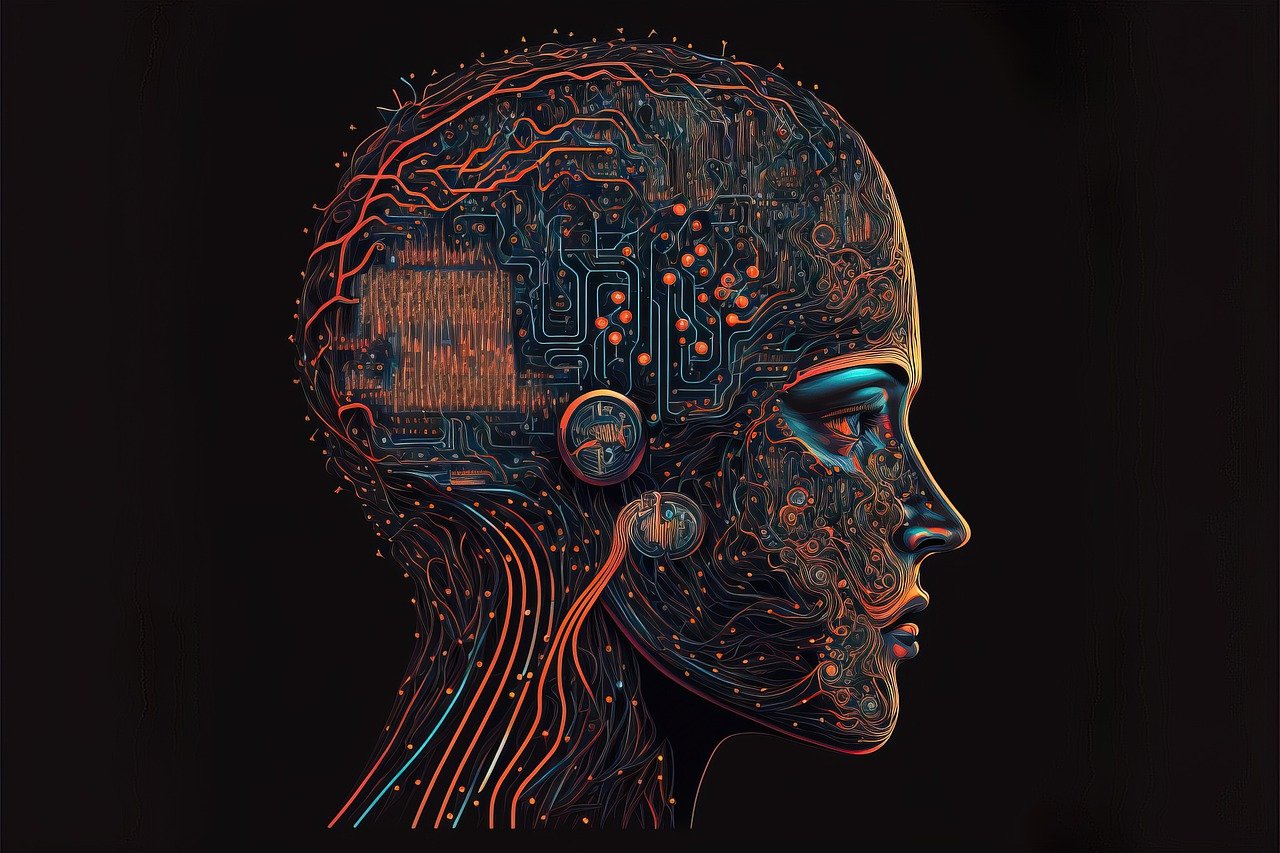
Artificial Intelligence (AI) has seamlessly woven itself into the fabric of our daily lives reshaping industries, enhancing efficiencies, and unlocking new realms of possibilities. However, despite its widespread influence and rapid evolution, several aspects of AI remain shrouded in to the average observer. This article examines the intriguing world of AI, revealing seven secrets that highlight its complexities, challenges, and the untapped potential that lies within.
The Invisible Architects: Understanding AI Algorithms
The Birth of Algorithms: From Theory to Practice
- AI algorithms didn’t just pop up out of the blue; they’re the offspring of decades of mathematical theory, painstaking research, and flashes of genius from the brightest minds of past generations. It’s like they’ve been silently evolving, from abstract concepts in academic papers to the brains behind the software we use every day.
Behind the Scenes: How Algorithms Learn and Evolve
- Imagine teaching a toddler to recognize colors and shapes; that’s somewhat akin to how algorithms learn through machine learning and deep learning. They start knowing nothing and, given enough data (their version of life experience), they begin to recognize patterns and make informed decisions.
The Black Box Dilemma: Interpretability of AI decisions
- Ever wondered why AI makes the decisions it does? You’re not alone. The “black box” problem is where even the creators can’t fully explain some of the AI’s decisions. It’s like having a savant friend who can solve complex problems but can’t quite explain how they did it.
The Economic Divide: AI’s Impact on Wealth and Employment
Job Creation vs. Automation: The Dual Edged Sword
- On one hand, AI is creating jobs that never existed before (think AI ethics officers), but on the flip side, it’s making some roles obsolete. It’s a tightrope walk between embracing new opportunities and mitigating job losses.
Bridging or Widening? AI and the Wealth Gap
- AI has the potential to level the playing field by making high-quality education resources accessible to all. Yet, there’s a risk it could widen the wealth gap if access to these technologies remains uneven.
The New Professionals: Skills and Careers of the AI Era
- The job market is shifting. Skills in AI and data analysis are becoming as essential as literacy. It’s an exciting time to be alive, with endless possibilities for those willing to learn and adapt.
The Ethical Labyrinth: Navigating the Moral Implications of AI
Privacy in the Age of Surveillance: A Vanishing Right?
- In our quest for convenience and security, we’ve given AI technologies access to vast quantities of personal data. It’s a trade-off, and one that demands rigorous debate on privacy rights and surveillance.
Bias and Inequality: AI’s Reflection of Society
- AI is like a mirror, reflecting our biases and inequalities back at us. If we’re not careful, the AI systems we build could perpetuate these issues. It’s crucial to develop AI in a way that’s fair and inclusive.
Accountability and Control: Who Holds the Reins?
- Who’s responsible when AI goes awry? Is it the developers, the users, or the AI itself? We’re charting new territory here, and clear guidelines and ethical frameworks are essential.
The Environmental Conundrum: AI’s Carbon Footprint
The Cost of Intelligence: Energy Consumption of AI Systems
- Did you know that training a single AI model can consume more electricity than several hundred homes in a year? AI’s appetite for energy is a growing concern, and we need to find sustainable solutions.
Green AI: Towards Sustainable Artificial Intelligence
- There’s hope, though. Innovations like more efficient computing hardware and algorithms are paving the way for a greener AI future.
The Race for Efficiency: AI in Environmental Conservation
- Interestingly, AI isn’t just a challenge to sustainability; it’s part of the solution. From predicting climate patterns to monitoring endangered species, AI is a powerful tool in the race to save our planet.
The Unseen Influence: AI in Art and Culture
The New Creatives: AI-Generated Art and Music
- AI is stepping into the world of art and music, creating works that question our traditional notions of creativity and originality. It’s a fascinating blend of technology and artistry, pushing the boundaries of what’s possible.
Language and Communication: Breaking Barriers with AI
- AI is breaking down language barriers, making it easier for people from different parts of the world to connect and understand each other. It’s a small step towards a more unified world.
Ethics of Authenticity: The Debate Over AI in Creativity
- As AI becomes more involved in creative processes, it raises questions about authenticity and originality. What does it mean to be creative in an age where a machine can compose a symphony or paint a masterpiece?
Conclusion: Embracing AI’s Mysteries and Possibilities
This article has ventured through the veiled aspects of AI, uncovering secrets from its underlying algorithms to its societal impacts, ethical dilemmas, environmental considerations, and cultural influences. As AI continues to evolve and shape our world in unprecedented ways, understanding its complexities becomes crucial. By demystifying AI, we can harness its potential responsibly, navigating its challenges with informed insight and fostering a future where technology and humanity coalesce harmoniously.
Frequently Asked Questions (FAQs)
What is AI, and how does it work?
AI, or Artificial Intelligence, refers to computer systems designed to mimic human intelligence, performing tasks such as recognizing speech, making decisions, and translating languages, all without human intervention.
Can AI make decisions without human intervention?
Yes, AI can make decisions autonomously, particularly in areas like autonomous driving and predictive analytics, though these decisions are based on pre-programmed algorithms and learned data patterns.
How does AI impact job markets across different industries?
AI impacts job markets by creating new roles while automating some existing tasks, necessitating a shift in workforce skills and adaptability.
What are the primary ethical concerns associated with AI?
The main ethical concerns revolve around privacy, bias, accountability, and the broader implications of automation and surveillance technologies.
