
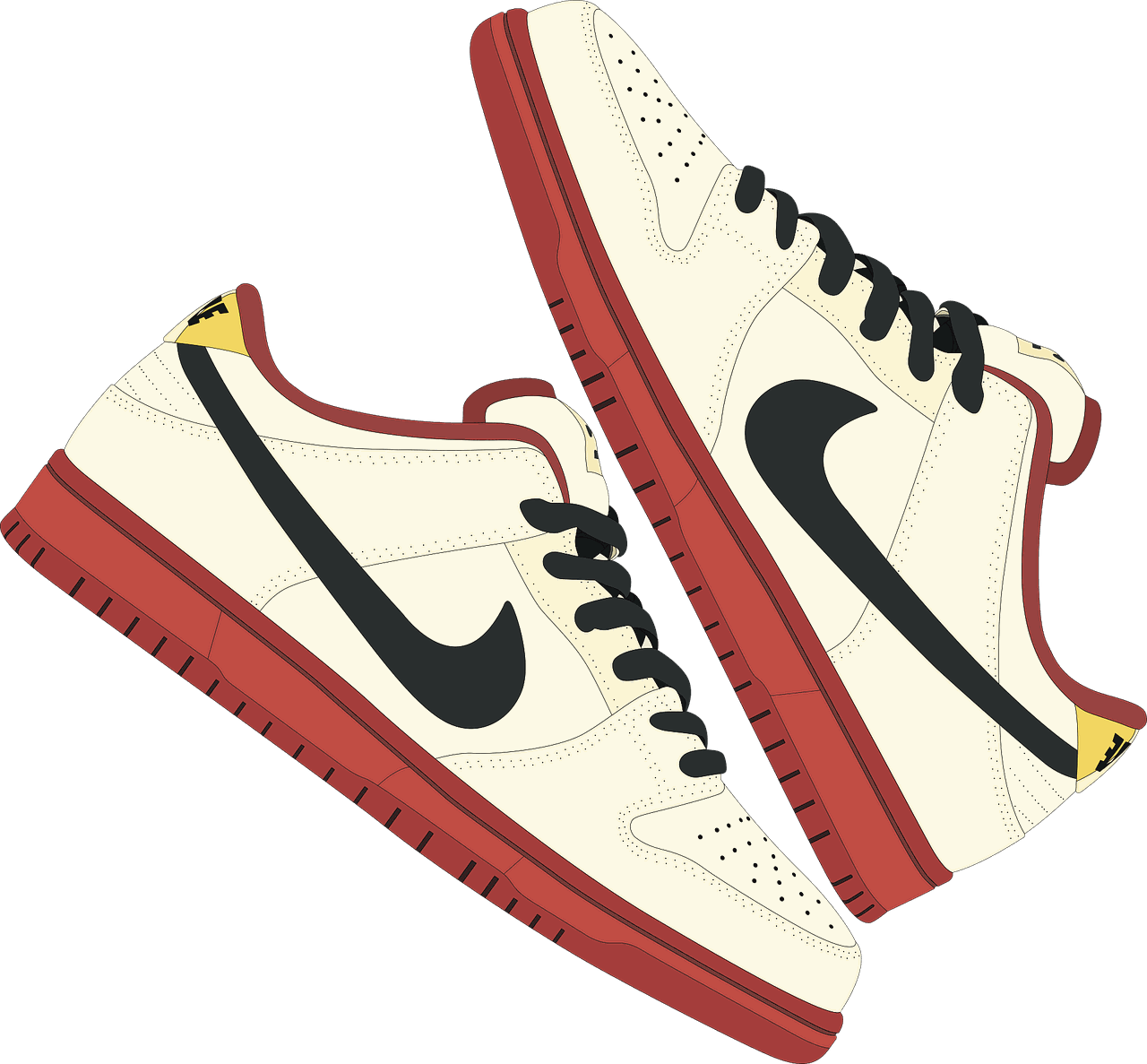
Nike vs Reebok vs Adidas: A comprehensive comparison of these three iconic sportswear brands, highlighting their history, product offerings, brand reputation, endorsements, pricing, and innovative technologies.

Introduction: Deciphering the Superiority Among Nike, Reebok, and Adidas
When delving into the comparison between Nike, Reebok, and Adidas, it becomes evident that each brand offers a diverse array of product offerings that cater to different consumer preferences.
Nike stands out with its extensive range of products, including athletic shoes, clothing, and accessories, renowned for incorporating innovative technologies like Nike Air, Flyknit, and React foam.
For instance, Nike’s introduction of the Air Max technology revolutionized the sneaker industry by providing visible air cushioning in the shoes, enhancing comfort and performance for athletes and casual wearers alike.
On the other hand, Adidas focuses on a broad consumer base with a significant emphasis on footwear innovations such as Boost cushioning and Primeknit material.
The Boost cushioning, for example, offers a responsive and energy-returning experience to the wearer, making Adidas shoes popular among runners and athletes seeking enhanced performance. This commitment to technological advancements has solidified Adidas’ position as a key player in the sportswear industry, competing with other leading brands like Nike.
History and Background
Nike’s journey to becoming the world’s most valuable clothing brand has been paved with strategic marketing campaigns and lucrative sponsorship deals with top athletes and teams, solidifying its stronghold in North America. For instance,
Nike’s partnership with basketball icon Michael Jordan revolutionized sports marketing and propelled the brand to unparalleled heights in the industry. The iconic Air Jordan line remains a testament to Nike’s ability to blend performance with style, appealing to a wide consumer demographic.
In comparison, Adidas has carved its own path as the second-largest sportswear manufacturer globally, focusing extensively on cutting-edge footwear technologies to cater to diverse consumers.
The brand’s Boost cushioning technology, known for its energy return properties, has become a hallmark of Adidas sneakers, setting new standards in athletic footwear. One notable example is the Adidas UltraBoost, a highly acclaimed running shoe that showcases the brand’s commitment to innovation and performance.
Conversely, Reebok’s history is marked by a rise to prominence in the ’80s, dethroning Nike as the leading athletics brand with groundbreaking products like the Freestyle and Pump basketball shoes. Despite this success,
Reebok encountered hurdles in maintaining its market position due to difficulties in brand identity maintenance, market expansion, and product supply management. These challenges ultimately led to its acquisition by Adidas, highlighting the importance of brand consistency and adaptability in the competitive sportswear landscape.
 Product Offerings Comparison
When comparing the product offerings of Nike, Adidas, and Reebok, each brand showcases distinctive features that cater to a diverse consumer base. Nike, recognized as a pioneer in athletic footwear and apparel, not only provides a wide array of products but also integrates cutting-edge technologies into its offerings.
For instance, the incorporation of Nike Air technology in their shoes revolutionized the industry by providing enhanced cushioning and support for athletes. Moreover, innovations like Flyknit and React foam have set Nike apart by delivering exceptional performance benefits and comfort to users, solidifying its position as a market leader in the sports industry.
On the other hand, Adidas focuses on footwear innovations such as Boost cushioning and Primeknit material, emphasizing a blend of style and functionality in their products. The Boost cushioning technology, known for its responsive energy return, has gained popularity among athletes and fitness enthusiasts, showcasing Adidas’s commitment to pushing the boundaries of performance footwear.
Additionally, the utilization of Primeknit material in their shoes not only enhances breathability and flexibility but also contributes to a sustainable approach in manufacturing, aligning with the brand’s focus on innovation and environmental consciousness.
In contrast, Reebok stands out by highlighting its unique market positioning, which revolves around heritage models, iconic designs, and groundbreaking technologies like the Pump system.
The Pump technology, introduced by Reebok in the late ’80s, allowed users to customize the fit of their shoes by inflating air chambers, showcasing the brand’s innovative spirit and commitment to delivering personalized solutions to athletes.
By blending tradition with innovation through products like the Pump basketball shoe, Reebok continues to resonate with consumers seeking both performance and nostalgia in their sportswear choices.
Brand Reputation and Popularity
When it comes to brand reputation and popularity, Nike stands out with its extensive sponsorships of top athletes and teams worldwide, solidifying its position as a leader in the sports industry. For example,
Nike’s long-standing partnership with basketball legend Michael Jordan not only revolutionized the athletic shoe market with the Air Jordan line but also elevated Nike’s brand visibility globally. This strategic alliance not only boosted Nike’s revenue but also cemented its iconic status in the realm of sports and fashion.
In contrast, Adidas strategically focuses on creativity and uniqueness in its design collaborations, especially in the sport lifestyle segment, to differentiate itself from competitors like Nike. An exemplary case is Adidas’ collaboration with renowned musician Kanye West, leading to the creation of the highly sought-after Yeezy sneaker line.
This collaboration not only enhanced Adidas’ brand image but also attracted a new demographic of consumers interested in the intersection of fashion and sports. By aligning itself with influential figures outside the sports realm, Adidas has successfully expanded its reach and appeal in the market.
On the other hand, Reebok’s potential for a comeback hinges on its ability to leverage its heritage and iconic models to reconnect with consumers and potentially challenge Nike’s dominance. For instance, reintroducing classic designs like the Reebok Pump sneaker, which gained immense popularity in the ’90s, could reignite consumer interest and nostalgia for the brand.
By tapping into its rich history and legacy, Reebok has the opportunity to carve a distinct identity in the market and position itself as a formidable competitor to Nike once again.
 Endorsements and Sponsorships
When it comes to endorsements and sponsorships, Nike, Adidas, and Reebok each have their own unique strategies to strengthen their brand identities and market positions. Nike, for instance, has established collaborations with top athletes and teams on a global scale.
Notable partnerships with sports icons like Michael Jordan, Cristiano Ronaldo, and Serena Williams have not only enhanced Nike’s visibility but have also solidified its reputation as a leader in the sportswear industry. By associating with world-renowned athletes, Nike effectively leverages their influence to reach a broader audience and maintain its status as the world’s most valuable clothing brand.
In contrast, Adidas made a strategic move by acquiring the University of Michigan, indicating a focused approach to compete with Nike in the collegiate sports market. This acquisition allows Adidas to expand its presence in the lucrative college sports sector and gain access to a wider consumer base through university partnerships.
By aligning with prestigious educational institutions like the University of Michigan, Adidas aims to enhance its brand recognition and appeal to a younger demographic of athletes and sports enthusiasts. This strategic sponsorship not only showcases Adidas’s commitment to sports but also positions the brand as a key player in the collegiate athletics arena, challenging Nike’s dominance in this segment.
On the other hand, Reebok has a rich history of iconic endorsements that have contributed to its brand image and cultural influence. Collaborations with legendary basketball players Allen Iverson and Shaquille O’Neal, as well as partnerships with music icons like Jay-Z and 50 Cent, have cemented Reebok’s legacy in the sports and entertainment industries.
These endorsements reflect Reebok’s ability to connect with diverse audiences through unique personalities and cutting-edge collaborations. By embracing cultural trends and partnering with influential figures, Reebok continues to differentiate itself in the competitive sportswear market, showcasing its historical significance and brand authenticity.
Pricing and Affordability
When comparing the pricing strategies of Nike, Adidas, and Reebok, it becomes apparent that each brand has a distinct approach tailored to its target market. Nike, for instance, strategically sets diverse price points across its product lines to accommodate varying consumer segments.
This strategy allows Nike to appeal to a wide range of customers, from budget-conscious shoppers to those willing to invest in premium athletic gear. For example, Nike offers entry-level running shoes at more affordable prices alongside top-of-the-line models with cutting-edge technologies, catering to both novice athletes and professional competitors.
Similarly, Adidas emphasizes a balance between affordability and quality in its pricing structure. By targeting a broad consumer base with different budget constraints, Adidas positions itself as a brand that provides value for money across its product range.
This strategy enables Adidas to reach consumers seeking reliable athletic footwear and sportswear without compromising on performance or durability. For instance, Adidas offers competitively priced sneakers with innovative features like Boost cushioning, appealing to customers looking for high-quality shoes at a reasonable cost.
In contrast, Reebok’s pricing strategy mirrors its unique status as a sport lifestyle brand that blends heritage and innovation in its product offerings.
By aligning its pricing with the brand’s identity, Reebok ensures that its products reflect a balance of legacy designs and modern technologies, appealing to consumers interested in both nostalgia and performance.
For example, iconic models like the Reebok Classic are priced to resonate with the brand’s heritage, while newer releases with advanced features maintain a competitive edge in the market, showcasing Reebok’s commitment to innovation while honoring its legacy.
Innovations and Technologies
In the realm of athletic footwear and sportswear, brands like Nike, Adidas, and Reebok have been at the forefront of innovation, constantly pushing the boundaries to provide consumers with top-notch products. Nike, for instance, is renowned for its groundbreaking technologies such as Nike Air, known for its cushioning properties that enhance comfort and performance during physical activities.
An excellent example of this innovation can be seen in the iconic Nike Air Max line, which revolutionized sneaker design by making air cushioning visible in the midsole, setting a new standard in the industry. This advancement not only improved the functionality of the shoes but also created a distinctive aesthetic that resonated with consumers worldwide.
Similarly, Adidas has solidified its position as a leader in athletic footwear innovation through technologies like Boost cushioning and Primeknit material.
Boost cushioning, made from thermoplastic polyurethane capsules, provides a high level of energy return, offering wearers a responsive and comfortable experience. This technology has been integrated into various Adidas shoe models, catering to different types of athletes and fitness enthusiasts.
Additionally, the use of Primeknit material in Adidas shoes showcases the brand’s commitment to sustainability and performance. Primeknit is a form-fitting fabric that reduces waste during production and offers a seamless, supportive fit for the wearer, illustrating Adidas’s dedication to both quality and environmental consciousness.
On the other hand, Reebok has left a lasting mark on the industry with its historical innovations like the Pump technology. The introduction of the Pump sneaker in the late ’80s revolutionized the athletic shoe market by allowing wearers to customize the fit and support of their shoes through an air bladder system.
This technology not only provided athletes with a personalized experience but also demonstrated Reebok’s dedication to enhancing performance through innovative design. The Pump technology became a cultural phenomenon, showcasing Reebok’s ability to merge style and functionality seamlessly, setting the brand apart in the competitive sportswear market.
