
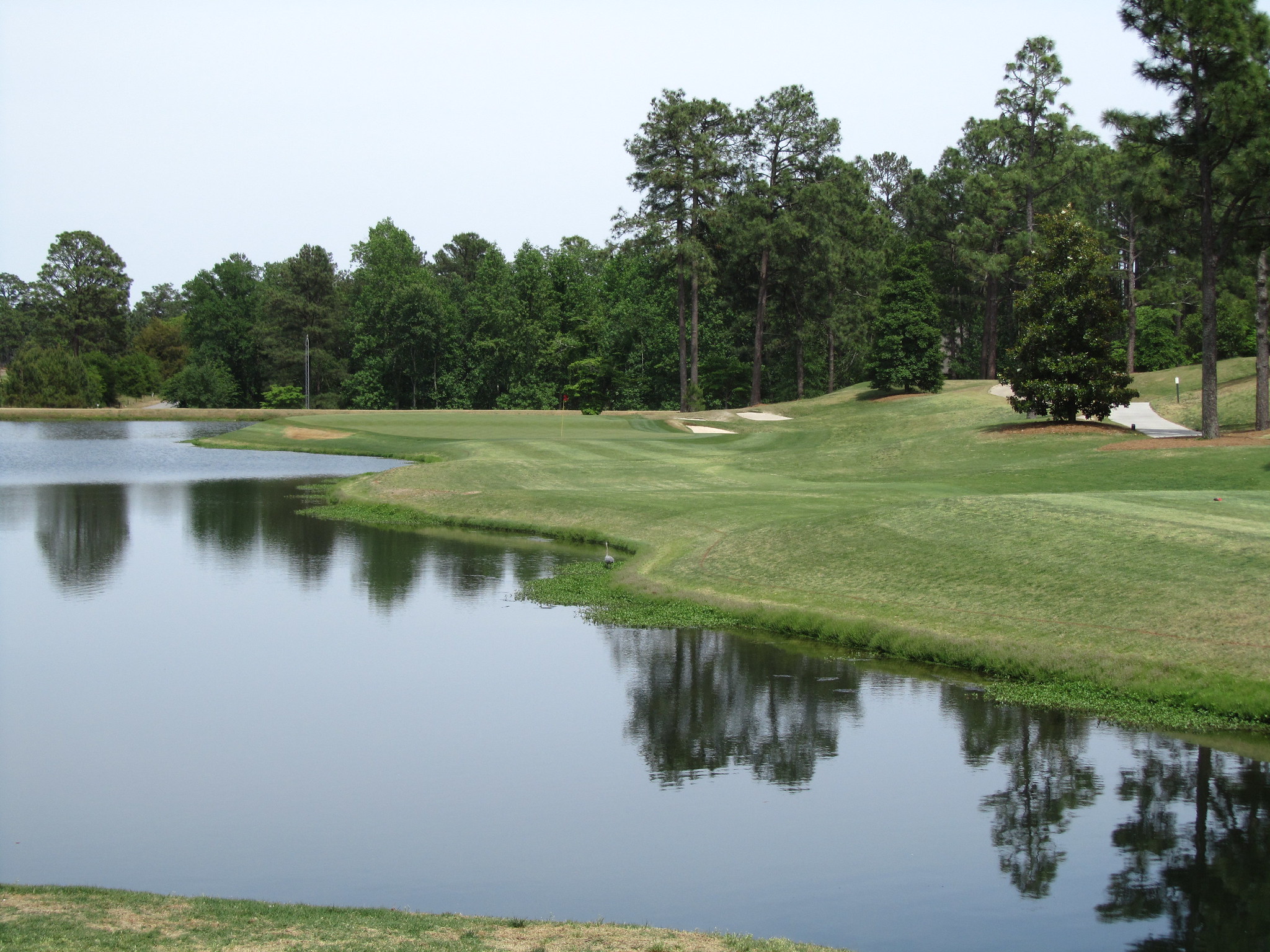
Nestled in the heart of Augusta, Georgia, the Augusta National Golf Club stands as a monumental beacon in the world of golf. This esteemed course, wrapped in a tapestry of rich history and tradition, commands respect and admiration from golf enthusiasts around the globe.
Its inception in 1933 was the brainchild of two visionary figures: Bobby Jones, a legendary golfer whose legacy intertwines with the sport itself, and Clifford Roberts, a financier with a keen interest in golf.
Together, they transformed their vision into reality, with the help of architect Alister Mackenzie, who played an instrumental role in designing a course that would become synonymous with golfing excellence.
The Augusta National Golf Club is synonymous with The Masters Tournament, an annual event that has taken place since 1934. This prestigious tournament is one of the four major championships in professional golf, drawing the world’s top talent to compete on its hallowed grounds.
The Masters is not just a golf tournament; it’s a cultural event that signals the unofficial start of the golf season, captivating audiences worldwide with its history, beauty, and the sheer skill it demands from its participants.
The course itself, with its immaculately maintained fairways and greens, set against the backdrop of Georgia’s natural beauty, provides a perfect stage for moments of triumph and heartbreak, contributing to the lore and allure of the game.

Unique Features
- Beauty and Design: Known for its impeccable beauty, each hole is named after a plant or shrub it is associated with, like Azalea, Magnolia, and Holly. The course is famous for its flowering beauty, particularly during The Masters in spring.
- Amen Corner: Holes 11, 12, and 13 are collectively known as “Amen Corner,” a term coined by Herbert Warren Wind in 1958. This challenging stretch has been the scene of many dramatic moments in golf history.
- Signature Hole: The 12th hole, part of Amen Corner, is particularly notable. This par-3 hole is famed for its difficulty and the precision it demands from players, often playing a crucial role in the outcome of The Masters.
Memorable Tournaments and Moments
- Jack Nicklaus’s 1986 Victory: At the age of forty-six, Nicklaus won his sixth Masters, becoming the oldest winner in the tournament’s history. His back-nine charge on Sunday is one of golf’s most celebrated moments.
- Tiger Woods’s First Masters Win (1997): Woods’s first major victory came at Augusta in 1997, where he set the record for the youngest Masters champion at age 21, winning by a record margin of twelve strokes.
- Phil Mickelson’s 2004 Win: Mickelson’s dramatic birdie putt on the 18th hole on Sunday gave him his first major championship after years of near misses, becoming a defining moment in his career.
A Paragon of Golfing Excellence
Augusta National Golf Club stands as a paragon of golfing excellence, embodying the quintessence of both challenge and beauty that defines an exciting golf course. Founded in 1933 by Bobby Jones and Clifford Roberts, its rich history is interwoven with the fabric of golf’s evolution, hosting the annual Masters Tournament since 1934.
- Location and Design: Nestled in Augusta, Georgia, this exclusive club boasts a course designed by Jones and Alister Mackenzie, aimed to capture the natural beauty of the land while offering a rigorous test for golfers. The course layout emphasizes strategic play, with each hole named after a plant or shrub that is prevalent on its grounds.
- Unique Features:
- Amen Corner: Holes 11, 12, and 13, known collectively as “Amen Corner,” are famed for their beauty and difficulty, often determining the outcome of the Masters.
- Azaleas and Dogwoods: The course is renowned for its breathtaking floral beauty, especially during the Masters, with azaleas and dogwoods in full bloom.
- Memorable Tournaments and Moments:
- Jack Nicklaus’s 1986 Victory: At 46, Nicklaus became the oldest Masters champion, securing his sixth Green Jacket in a dramatic finish that is etched in golf lore.
- Tiger Woods’s 1997 Triumph: Woods’s first Masters victory by a record margin of twelve strokes announced the arrival of golf’s next superstar, breaking multiple records along the way.
- The Club’s Philosophy and Legacy: Augusta National is more than just a golf course; it is a testament to the vision of its founders and a custodian of golf’s traditions and innovations. Its commitment to excellence and exclusivity has made it a symbol of aspiration in the golfing world, with the Masters Tournament being a revered annual event that captivates millions worldwide.
Augusta National Golf Club, with its storied past, iconic holes, and unwavering commitment to the spirit of golf, represents the pinnacle of excitement in golf courses within the PGA and beyond. Its blend of beauty, challenge, and history offers an unparalleled experience to those who walk its hallowed grounds.
Criteria for Excitement in Golf Courses
The excitement surrounding a golf course is not merely a product of its difficulty or the fame of its designers but rather a multifaceted concept that involves various elements contributing to the overall experience for both players and spectators. The PGA’s most exciting golf courses share a set of characteristics that elevate them above others, making each round played a memorable experience.
- Course Design and Architecture: The foundation of an exciting golf course lies in its design. Architects like Alister Mackenzie, Pete Dye, and Donald Ross have mastered the art of blending natural landscapes with challenging features to create courses that are both beautiful and demanding. Strategic placement of hazards, varying hole lengths, and the use of natural topography encourage players to use every club in their bag and think through each shot meticulously.
- Historical Moments and Records: Golf courses that have hosted major tournaments and witnessed record-breaking moments inherently carry an aura of excitement. These historical events contribute to the lore of the course, adding an intangible value that affects how players approach the game. Augusta National’s Amen Corner, Pebble Beach’s coastal cliffs, and the island green at TPC Sawgrass’s 17th hole are imbued with the memories of dramatic victories and heartbreaking losses, making each swing a brush with history.
- Natural Beauty and Location: The setting of a golf course can significantly enhance its appeal and excitement level. Courses like Pebble Beach Golf Links offer breathtaking views of the Pacific Ocean, while Augusta National is famed for its immaculate landscaping and floral beauty. These stunning vistas not only provide a picturesque backdrop but also challenge players to maintain focus amidst the natural splendor.
- Challenge Level and Playability: An exciting golf course strikes a balance between difficulty and fairness. It should assess the skills of seasoned professionals while remaining playable for amateurs. This balance ensures that the course can host competitive tournaments and offer an enjoyable experience for golfers of all levels. Features such as variable tee positions, risk-reward holes, and thoughtful hazard placements contribute to this dynamic.
The constructive collaboration of these elements creates an atmosphere charged with anticipation and excitement. Each round presents a new challenge, and each hole offers a chance for glory or despair. The world’s most exciting golf courses are those that manage to captivate the imagination, evaluate the limits of skill, and evoke a deep respect for the game of golf itself.
Overview of Modern Technology’s Impact on Golf Course Design
The evolution of golf course design has been significantly influenced by advancements in technology, reshaping the way courses are conceived, constructed, and experienced by players and spectators alike. This technological revolution has not only enhanced the excitement factor of golf courses but has also addressed environmental and maintenance concerns, ensuring sustainability and playability.
- Design Software and Topographical Analysis: Modern computer-aided design (CAD) software allows architects to create more precise and detailed course layouts, considering every contour and feature of the land. This precision enables designers to envision and execute complex designs that harmonize with the natural environment, enhancing both the challenge and beauty of a course. GPS and GIS technologies further refine this process, offering detailed topographical and environmental data that inform sustainable and strategic course design.
- Water Management and Sustainability: Advanced irrigation technologies and water management systems have revolutionized the way golf courses are maintained. These systems can precisely control the amount of water used on the course, reducing waste, and ensuring that the turf is in optimal condition year-round. Sustainable design practices, such as the use of drought-resistant grasses and the creation of natural habitats for wildlife, are increasingly common, reflecting a commitment to environmental stewardship.
- Golf Simulators and Virtual Design: The rise of high-fidelity golf simulators has not only allowed players to practice and experience courses virtually but has also provided designers with a tool to test and refine their layouts before construction begins. These simulators offer realistic simulations of how a ball will behave on the course, considering factors such as wind speed, turf conditions, and elevation changes. This technology enables designers to anticipate player experiences and adjust designs to maximize excitement and playability.
- Player and Spectator Experience: Modern technology has also enhanced the spectator experience, with drones and enhanced broadcast capabilities offering unprecedented views of the action. Apps and digital platforms provide real-time data and analytics, allowing fans to follow their favorite players more closely and understand the game at a deeper level. For players, technology like GPS rangefinders and performance-tracking apps have become essential tools, offering insights that can inform strategy and improve play.
The impact of modern technology on golf course design signifies a new era in the sport, where the marriage of innovation and tradition creates courses that are more exciting, sustainable, and accessible than ever before. As technology continues to evolve, it promises to bring even greater changes to the world of golf, enhancing the experience for all who love the game.
Detailed Description of Pebble Beach Golf Links
Pebble Beach Golf Links, often revered as one of the most beautiful golf courses in the world, exemplifies the pinnacle of golfing experiences, combining the challenge of championship golf with the unrivaled beauty of the California coast. Situated on the Monterey Peninsula, Pebble Beach has been the site of golf’s most prestigious tournaments, including the U.S. Open multiple times.
- Location and Landscape: The course offers breathtaking views of Carmel Bay and the Pacific Ocean, with rocky coastlines and rugged seaside cliffs. The natural beauty of the area is integrated into the course design, providing a stunning backdrop that contrasts with the meticulous landscaping of the fairways and greens.
- Historic Design: Opened in 1919 and designed by Jack Neville and Douglas Grant, Pebble Beach was created to take advantage of its spectacular coastal location. The course layout is renowned for its small, sloping greens, strategically placed bunkers, and the use of natural coastal dunes. Its signature hole, the par-3 seventh, is one of the most iconic in golf, offering dramatic views and challenging play despite its short distance.
- Memorable Tournaments and Moments:
- 1972 U.S. Open: Jack Nicklaus’s 1-iron shot that hit the flagstick at the 17th hole during the final round is one of the most iconic shots in golf history, securing his win.
- 1982 U.S. Open: Tom Watson’s chip-in birdie on the 17th hole in the final round to beat Jack Nicklaus is another legendary moment, displaying the dramatic and unpredictable nature of Pebble Beach.
- Challenges for Players: Pebble Beach’s layout demands precision and strategic thinking, with the ever-present ocean breeze adding an extra layer of complexity. The combination of natural hazards, such as the ocean and sand dunes, along with strategically placed bunkers and the small greens, requires golfers to carefully plan each shot.
- Experience for Spectators: The course is not only a challenge for the players but also a spectacle for the spectators. The stunning vistas and the drama of tournament play make Pebble Beach a favorite among golf fans. The course’s design allows for excellent vantage points, making it one of the most spectator-friendly courses in the world.
Pebble Beach Golf Links remains a testament to the enduring allure of traditional golf course design, enhanced by its natural setting. It stands as a symbol of the perfect harmony between the sport of golf and the natural environment, providing an unforgettable experience for both players and spectators alike.
Impact on Players and Spectators
The most exciting golf courses in the PGA not only challenge the skills and strategies of the players but also significantly enhance the spectator experience. The impact on both players and spectators is profound, creating memorable moments and a deep appreciation for the sport of golf.
- For Players:
- Strategic Challenge: The design and layout of exciting golf courses require players to carefully consider each shot. Factors such as wind direction, bunker placement, and green contours assess the players’ abilities to adapt and strategize, making for a thrilling game.
- Mental Toughness: Playing on iconic courses, especially during major tournaments, demands mental fortitude. The pressure of performing well on a world-renowned course adds an extra layer of challenge, pushing players to excel under pressure.
- Historical Context: Competing on courses with rich histories adds a sense of legacy and continuity. Players are aware that they are walking the same fairways as the legends of the game, competing to add their names to the course’s storied history.
- For Spectators:
- Visual Splendor: The beauty of these courses, whether it is the flowering azaleas of Augusta National or the coastal cliffs of Pebble Beach, provides a visually stunning backdrop for the drama of tournament play. Spectators are treated to not just athletic competitions but a celebration of natural beauty.
- Emotional Engagement: Watching live as players navigate the challenges of a tough course, spectators become emotionally invested in the outcomes. The highs of a successful birdie putt or the lows of a missed shot create a shared experience that binds the audience together.
- Accessibility and Engagement: Advances in technology have enhanced the spectator experience, allowing fans to follow the action in unprecedented detail. From apps that provide real-time scoring to drones that offer aerial views of the play, spectators can engage with the sport in innovative ways, both on-site and remotely.
The interplay between the players’ experiences and the spectators’ engagement makes golf on these iconic courses a unique and compelling sport. The design of the course, its natural setting, and its history all contribute to creating an atmosphere charged with anticipation and excitement, making golf not just a game but a spectacle.

The Future of Golf Course Design
The future of golf course design promises an exciting blend of tradition and innovation, as architects continue to push the boundaries of what is possible. Emerging trends and technologies are shaping the next generation of golf courses, focusing on sustainability, inclusivity, and enhanced player experiences.
Sustainability and Environmental Stewardship:
-
- Eco-Friendly Designs: Future courses will increasingly prioritize environmental conservation, using native plants, minimizing water usage, and creating habitats for wildlife. This approach not only protects the natural landscape but also creates a more authentic and engaging golfing environment.
- Renewable Energy Sources: The use of solar panels and wind turbines to power course facilities is becoming more common, reducing the carbon footprint of golf courses, and setting a standard for sustainability in the sport.
- Technological Integration:
- Digital Enhancements: From augmented reality (AR) to enhance the on-course experience to sophisticated data analytics for course maintenance, technology will play a larger role in both the design and operation of golf courses.
- Smart Course Features: Future courses might include interactive elements, such as digital scorecards embedded in golf carts or apps that provide strategic advice based on a player’s location on the course, making the game more accessible to beginners and more engaging for experienced players.
- Design for All:
- Inclusivity and Accessibility: The design of future golf courses will increasingly consider players of all skill levels and backgrounds, including features that make golf more enjoyable for families, juniors, and players with disabilities.
- Urban and Compact Courses: As land becomes scarcer, especially near urban centers, designers will need to innovate with smaller footprints. Compact courses and creative use of space, such as rooftop or indoor golf facilities, will become more prevalent.
- Adaptability:
- Flexible Course Design: Courses that can be easily modified or adapted for different events and skill levels will become more common, allowing for a more diverse range of golfing experiences on the same grounds.
The future of golf course design is bright, with architects and developers focused on creating courses that are not only challenging and beautiful but also sustainable and inclusive. These advances promise to make golf more enjoyable and accessible to future generations, ensuring the sport’s growth and vitality.
Conclusion
The exploration of the PGA’s most exciting golf courses has traversed through the majestic fairways of Augusta National, over the stunning cliffs of Pebble Beach, and into the innovative future of golf course design. These iconic courses, with their rich history, challenging layouts, and breathtaking beauty, not only evaluate the skills of the world’s best players but also captivate spectators with their drama and allure.
The Essence of Excitement: What makes a golf course exciting is a complex blend of design, history, natural beauty, and the challenge it presents. Courses like Augusta National and Pebble Beach Golf Links have set the standard, offering unique experiences that resonate with both players and fans. The essence of their excitement lies in the stories they tell, the memories they hold, and the natural splendor they highlight.
The Future of Design: Looking ahead, the future of golf course design holds promises for innovation, with sustainability and technology at its core. The goal is not just to create spaces for playing golf but to build environments that are respectful of nature, inclusive for all players, and adaptable to the changing dynamics of the sport.
A Legacy Continued: As golf continues to evolve, the legacy of its most exciting courses serves as a beacon for future designers and players alike. These courses are more than just venues for the game; they are sanctuaries where the spirit of golf is nurtured and passed on. They remind us that at its heart, golf is a celebration of the land, a test of character, and a communal experience that transcends generations.
In conclusion, the PGA’s most exciting golf courses are not merely locations but landmarks of the game’s enduring appeal and evolving narrative. They stand as testaments to the artistry of golf course design, challenging players and delighting spectators, ensuring that the love for the game continues to flourish. As we look to the future, these courses inspire us to innovate, to respect the environment, and to make golf accessible and enjoyable for all, securing its place not just as a sport but as a cherished tradition.
Reflecting on the journey through golf’s most storied courses and the anticipation of what’s to come, it’s clear that the heart of golf lies in its ability to unite beauty, challenge, and community in every swing, on every green, and within every golfer.
